
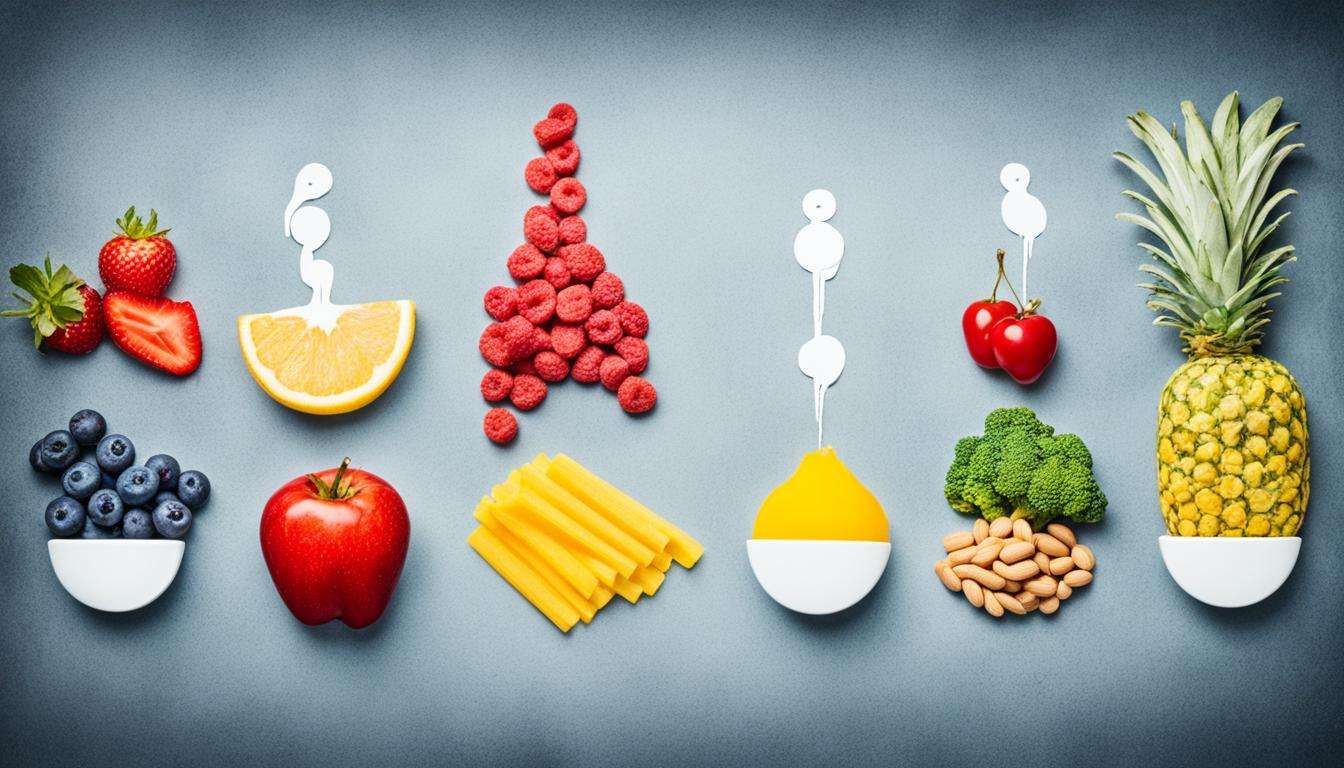

Decoding food cravings: Have you ever felt an overwhelming urge for a sweet treat or a salty snack? It’s like you can’t resist, even when you know you should. But what if the reason behind these food cravings isn’t just about willpower? It could be our hormones playing a big role.
Let’s dive into the world of food cravings and see how our hormones affect our appetite, feelings, and how we see food. It’s a fascinating topic that could change how we think about food.
Key Takeaways
- Hormonal changes during the menstrual cycle and menopause can make us crave more.
- Other hormonal issues or emotional factors can also make us crave food, even after menopause.
- Knowing how hormones, feelings, and food cravings are linked is key to managing them better.
- Choosing healthier foods can help control glucose levels and reduce cravings.
- Cravings might mean our bodies need certain nutrients.
Understanding the Role of Hormones
Hormones are key in controlling our hunger and cravings. Changes in hormones like estrogen, progesterone, and neurotransmitters like serotonin and dopamine affect what we want to eat.
Hormonal Fluctuations and Appetite
Our hunger increases a bit in the luteal phase after ovulation. This can make us want more food and certain types of it. Our bodies try to get more energy by reaching for foods that are high in calories.
The Impact of Estrogen, Progesterone, and Neurotransmitters
Changes in estrogen and progesterone also affect our mood. This can lead to cravings, especially during the transition to perimenopause. Even after menopause, hormonal changes can make us crave certain foods.
| Hormone/Neurotransmitter | Role in Cravings |
|---|---|
| Estrogen | Impacts mood and can lead to increased cravings, especially around menstrual cycles and during perimenopause. |
| Progesterone | Fluctuations in progesterone can contribute to cravings and changes in appetite. |
| Serotonin | Plays a role in regulating mood and can influence food cravings, particularly for carbohydrate-rich foods that can boost serotonin levels. |
| Dopamine | The “feel-good” neurotransmitter, dopamine can drive cravings for foods that provide a sense of pleasure and reward. |
Knowing how hormones, neurotransmitters, and cravings are linked is key to managing our health. It helps us find better ways to meet our cravings.

Are Cravings Signs of Nutrient Deficiencies?
Many think our food cravings mean we’re missing certain nutrients. But, research shows they’re often shaped by our cultural influences more than our body’s needs.
It would be nice if our cravings pointed to what we’re missing, like craving chocolate for its magnesium. But, it’s not that simple. Our cravings are more tied to where we live and our food choices than to nutrient deficiencies.
Women often experience food cravings more than men, even if they don’t have more nutrient deficiencies. Men usually get 66–84% of the daily magnesium they need, and women get about 63–80%.
Even though deficiencies in sodium or protein are rare, we still crave salty or savory foods. Pregnant women often want high-carb, high-fat, and fast foods, not nutrient-rich ones.
| Statistic | Description |
|---|---|
| Women are up to twice as likely to experience food cravings as men. | This suggests that gender may play a role in cravings, independent of nutrient deficiencies. |
| Men generally meet 66–84% of their recommended daily intake (RDI) for magnesium, while women meet around 63–80% of their RDI. | Despite these similar nutrient intake levels, women experience more cravings, indicating that cravings are not solely driven by deficiencies. |
| Deficiencies in sodium or protein are very rare in developed parts of the world. | Yet, cravings for salty or savory foods remain common, further supporting the idea that cravings are not directly linked to nutrient deficiencies. |
| Pregnant women tend to crave high-carb, high-fat, and fast foods rather than nutrient-rich alternatives. | This suggests that cravings may be more influenced by cultural and emotional factors than physiological needs during pregnancy. |
Nutrient deficiencies can lead to cravings like pagophagia (eating ice) or geophagia (eating soil or clay). But these are not common. Usually, our cravings are more shaped by our cultural influences and what we like to eat.

Food Cravings and the Pursuit of Pleasure
Throughout our lives, we often turn to food cravings for more than just nutrition. These cravings meet our emotional and psychological needs. They offer comfort, relief, or a break from life’s stresses.
Emotional Hunger and Comfort-Seeking
Experts call these cravings “emotional hunger.” Women in midlife often feel this urge strongly. They go through many changes that can make them feel unfulfilled.
In these times, our favorite foods can be a quick escape. They offer comfort and emotional relief.
The Pleasure Deficit in Midlife
Midlife can leave many women feeling short on pleasure. The demands of this stage often leave little time for enjoying ourselves. Cravings for pleasurable foods can fill this gap, even if it’s just for a short time.
Understanding emotional hunger and the search for pleasure helps us. It’s key to finding better ways to cope and feeling truly fulfilled.
“The process of craving is linked to the five afflictions described in the Yoga Sutra of Patanjali known as kleshas.”
Tracking and Decoding Your Food Cravings
To understand and manage our food cravings, tracking them is key, especially with our menstrual cycles. By noticing patterns and triggers, we gain insights into our cravings.
Monitoring Cravings and Cycles
Use a journal or a cravings app to track when and what you crave. Also, note how your menstrual cycle, sleep, mood, stress, and hormones affect your cravings. This info helps us see what drives our food choices.
Meeting Hunger, Fullness, and Satisfaction Needs
It’s important to keep our hunger, fullness, and satisfaction levels in check. Cravings often come from feeling left out or not satisfied. Balanced meals and snacks can help stop cravings and keep us healthy.
| Craving Type | Potential Nutrient Need |
|---|---|
| Sweet | Low energy, lack of protein |
| Salty | Dehydration, electrolyte imbalance |
| Greasy | Lack of healthy fats |
| Dairy | Calcium deficiency |
By understanding our cravings tracking, we can make better choices. This supports our hunger, fullness, and satisfaction needs. It helps us manage our menstrual cycle and cravings better.
“Paying attention to your cravings can be a powerful tool in understanding your body’s needs.”
Food Cravings: The Brain’s Role
Our brains are key in making and keeping food cravings. Over time, we can change our brains to want certain foods for quick satisfaction. This can make it hard to stop craving and indulging in food. It shows how important it is to know how our brains get involved in cravings.
Rewiring the Brain for Instant Gratification
Studies show that the brain areas for food cravings are like those for drug addiction. These include the hippocampus, caudate, and insula. When we keep eating certain foods, our brain’s reward paths get wired to want them more. This creates a strong link in our brain.
This wiring gets stronger with hormonal changes, like less sensitivity to leptin and ghrelin. These hormones control our hunger and fullness. So, we might eat more of a food to feel the same pleasure, starting a cycle of brain and cravings, instant gratification, and habit formation.
- A study found that eating the same foods every day made people crave more than eating a variety of foods.
- MRIs showed that the brain areas for food cravings are the same as for drug addiction.
- Changes in hormones, like less response to leptin and ghrelin, can make cravings last longer.
Knowing how our brains, hormones, and cravings work together is key to managing food desires. By understanding this, we can work on changing our brains to control our cravings better.
“The brain’s reward pathways become conditioned to crave certain foods, creating a strong neurological connection that can be difficult to break.”
Food Cravings and Hormones
Our hormones greatly affect our food cravings throughout our lives. They change during the menstrual cycle, perimenopause, and menopause. These changes can make us want certain foods more.
Studies show that estrogen and progesterone levels can make us crave carbs and sweets before our periods. In fact, 14% of people with irregular periods might eat too much. These cravings start about 7 to 10 days before our periods.
Craving non-food items like ice or dirt could mean we’re low on iron. This is common in people with heavy periods. Knowing how hormones and cravings are linked helps us make better food choices.
“More than 90% of people experience food cravings, and males are more likely to crave savory foods, while females are more likely to crave high-fat, sweet foods.”
Stress and not sleeping well can mess with our hormones, making us crave more food and gain weight. But eating enough protein can help control our hunger and cravings.
Being aware of our hormonal cycles and finding ways to manage cravings helps us deal with food desires. This way, we can keep a healthy relationship with our bodies and food.
Sugar Cravings: A Deep Dive
Sugar cravings are a common struggle for many. To beat them, we need to understand why they happen. Sugary foods can make us feel good because they release dopamine in our brains. This can make us turn to them when we’re stressed or need a mood boost.
The Reward Factor of Sugary Foods
Eating sugary foods gives us a dopamine rush, similar to feeling pleasure. This can make us want more sugar. Stress and changes in hormones, like during the menstrual cycle, can make these cravings worse.
Food Cravings: Healthier Alternatives to Curb Sugar Cravings
- Swap processed and high-glycemic foods for options that regulate glucose release, like whole grains, vegetables, and lean proteins.
- Incorporate natural sweetness into your meals, such as roasted sweet vegetables.
- Practice mindful eating techniques, like slowing down, savoring each bite, and reducing distractions, to enhance satisfaction and stress relief.
- Engage in regular exercise, as studies have shown it can help reduce cravings for sugary snacks.
- Ensure you’re getting enough sleep, as sleep deprivation can trigger cravings for unhealthy foods.
By understanding sugar cravings and trying these healthier options, we can control our cravings. This helps us make choices that are good for our health.
“The key to managing sugar cravings is to satisfy the underlying need, whether it’s for pleasure, comfort, or stress relief, with healthier alternatives.”
Salt Cravings and Adrenal Fatigue
If you’ve been craving salty snacks like chips, nuts, or crackers, it might mean your adrenal glands are stressed. These glands make hormones like cortisol and adrenaline to help us handle stress. But when they work too hard, they can mess up other hormones that control our blood pressure and fluid balance.
This can lead to low blood pressure and a constant need for salty foods. While eating too much salt is bad, fixing adrenal fatigue can help control these cravings and balance our hormones.
Regulating Blood Pressure and Fluid Balance
The Prospective Urban Rural Epidemiology (PURE) study looked at over 156,000 people in 17 countries. It found that eating more than 7 grams of salt a day was linked to more deaths. But eating less than 3 grams a day was also bad. So, finding the right amount of salt is important.
For those with adrenal fatigue, it’s not about cutting out salt. It is suggested to start with a quarter teaspoon of salt in 8 ounces of water. Then, slowly add more until the water tastes good, not just salty. This helps figure out how much sodium we really need.
| Condition | Typical Salt Craving | Recommended Salt Intake |
|---|---|---|
| Adrenal Fatigue | Salty, acidic, and sour foods | Starting with 1/4 tsp in 8 oz water, gradually increasing to reach satisfying level |
| Addison’s Disease | Salty, acidic, and sour foods | 30-60g per day through saline bags during adrenal crisis |
| Cystic Fibrosis | Salty foods | Higher than general population due to excessive sodium loss |
By fixing adrenal fatigue and managing blood pressure and fluid balance, we can control our salt cravings. This supports our health and well-being.
Managing Food Cravings in Menopause
During menopause, many women find themselves craving food more often. These cravings can be due to emotional hunger, caused by symptoms like sleep issues, mood changes, and hot flashes. It’s important to know the difference between physical, taste, and emotional hunger to handle cravings better.
Food Cravings: Understanding Emotional Hunger
Emotional hunger is not the same as physical hunger. It’s often triggered by our feelings and emotions, not by our body’s needs. It can make us want foods high in sugar and carbs for a quick energy boost and mood lift. By understanding why we eat emotionally, we can find better ways to deal with our feelings and cravings.
Self-Compassion and Removing Judgment
Being kind to ourselves and not judging our food cravings and eating habits can improve our relationship with food during menopause. Being gentle with ourselves helps us make better choices that are good for our health and happiness.
Remember, it’s normal to crave food during menopause. By being kind to ourselves and understanding our emotional needs, we can make it through this time easier. We can also find lasting ways to control our cravings.
Normalizing Food Cravings
Understanding food cravings and emotional eating is key in today’s complex food world. These experiences are common among humans. It’s time to drop the blame, shame, and judgment around them.
Cravings happen when our bodies need certain foods or feel certain emotions. Studies show that people with eating disorders crave food differently. For example, anorexia nervosa has the lowest cravings, while binge eating disorder has the highest. Things like our eating environment and feelings can make us crave food more.
Cravings don’t mean you’re weak or lacking willpower. They show how complex our relationship with food is. This relationship is influenced by our biology, psychology, and life stories. By accepting and normalizing these feelings, we can start to eat more healthily and kindly.
“Food cravings are a natural part of the human experience, and they don’t make you a bad person. It’s about learning to navigate them with self-compassion and understanding.”
You’re not the only one dealing with food cravings and emotional eating. By normalizing these feelings, we can improve our relationship with food and our bodies. This leads to a more balanced and nourishing way of eating.
Food Cravings: Conclusion
Food cravings are a mix of hormones, emotions, and brain chemistry. Understanding how these factors work helps us manage cravings better. We can track our cravings and meet our hunger needs with care and kindness.
It’s important to see cravings as normal and not just about eating. By looking into why we crave certain foods, we can make better choices. Our cravings tell us something our body and mind need.
Let’s focus on a holistic way to handle our cravings. This means looking at our hormones, feelings, and brain health. By doing this, we can have a healthier relationship with food. This supports our overall health and happiness.



0 Comments