


Thanksgiving is the perfect season to reflect on the transformative power of gratitude. More than a fleeting emotion, gratitude has the potential to enhance every facet of our lives—from mental and physical health to our relationships and overall happiness. Thanksgiving is a time to reflect on the beauty of gratitude and its incredible impact on our health and well-being. From reducing stress to strengthening relationships, thankfulness can transform not only this holiday but your life as a whole. Research consistently shows that practicing gratitude can enhance mental, emotional, and even physical health. In this blog, we’ll explore the science of gratitude, practical ways to incorporate it into your daily routine, and its profound effects on mental, emotional, and physical health.
The Science of Gratitude and Wellness
Understanding the Connection Between Gratitude and Health
Gratitude isn’t just about saying “thank you.” It’s a deeply rooted emotional practice that activates neural pathways associated with joy and satisfaction. Neuroscientists have found that regular gratitude practices increase the release of dopamine and serotonin—chemicals responsible for happiness. Gratitude is more than just a pleasant emotion—it’s a scientifically proven tool for better health. Studies show that regular expressions of gratitude activate the brain’s reward center, releasing dopamine and serotonin, which enhance mood and create a lasting sense of well-being.
- Fact: People who consistently practice gratitude experience up to a 23% reduction in cortisol levels, the body’s primary stress hormone.
- Practical Tip: Pair gratitude with mindfulness exercises to amplify its calming effects on the nervous system. Combine gratitude practices with self-care and stress management techniques to amplify their impact and create a calm, balanced mindset during the holidays.
When we focus on thankfulness, we train our brains to recognize positive moments, fostering emotional resilience and reducing anxiety. This Thanksgiving, consider gratitude not as a fleeting feeling but as a sustainable practice.
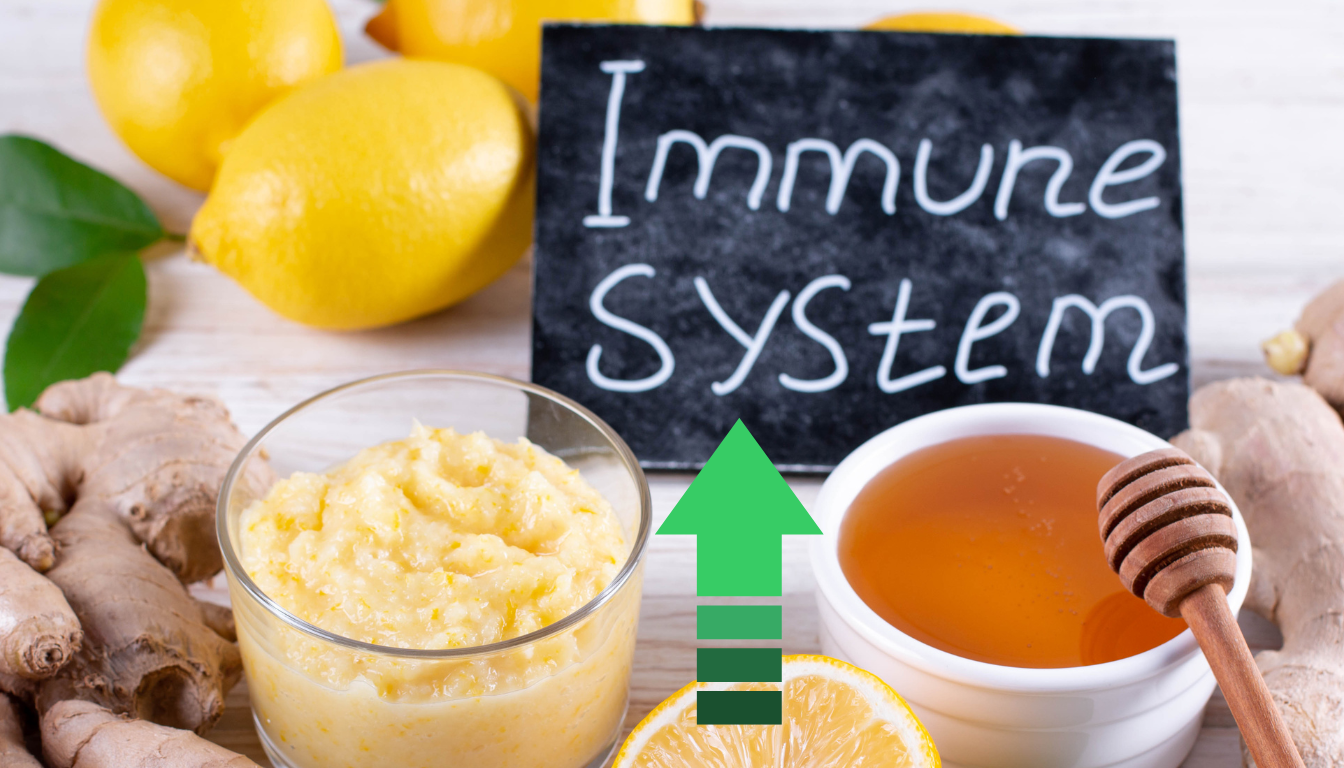
Gratitude and the Immune System
Did you know gratitude can also enhance your physical health? Research indicates that thankful individuals often experience lower blood pressure, improved heart health, and stronger immune systems. By focusing on positive experiences, the body shifts from a stress response to a healing response, promoting overall well-being.
- Reflect on a moment that brought you joy this past week. Notice how your body feels as you relive the experience—calmer, lighter, and more at peace.
How Gratitude Improves Mental Health
The Emotional Benefits of Gratitude
Gratitude acts like a mental reset button. By intentionally focusing on what’s good, you reduce the brain’s tendency to fixate on stress or negativity. Studies have shown that practicing gratitude daily can lower symptoms of anxiety and depression by up to 35%. According to research from the National Institute of Health, gratitude rewires the brain to focus on positivity, fostering long-term emotional stability.
Gratitude Journaling: A Simple, Powerful Tool
Keeping a gratitude journal allows you to document moments of appreciation. This habit encourages a daily focus on positivity, leading to measurable improvements in mental clarity and emotional balance.
- Example Exercise: Write down three things you’re grateful for each night before bed.
- Stat: According to a UC Berkeley study, participants who maintained gratitude journals for 10 weeks reported a 25% increase in happiness levels.
- Want to know more? Learn how gratitude journaling can significantly boost happiness and mental health in this insightful study on gratitude and well-being.

Practical Gratitude Exercises for Mental Clarity
If you’re looking to improve your mental health, start with these simple exercises:
- Gratitude Journaling: Each night, write down three things you’re grateful for. They can be as simple as a great cup of coffee or as profound as a meaningful conversation.
- Gratitude Letter: Write a heartfelt letter to someone who has impacted your life positively, even if you don’t send it.
- Reflection Walk: While walking, reflect on the things you appreciate in your life, using nature as inspiration.
By making these practices part of your routine, you’ll train your mind to seek out the good in every situation.
Overcoming Barriers to Practicing Gratitude
Why Gratitude Can Be Difficult
Many people struggle with gratitude, especially during stressful or overwhelming times. It’s easy to feel disconnected from positivity when life feels chaotic or uncertain. Even with the best intentions, practicing gratitude isn’t always easy. Stress, a packed schedule, or feelings of self-doubt can make it hard to focus on the positive. But gratitude isn’t about ignoring challenges—it’s about recognizing the good despite them.
If you’re dealing with a tough situation, identify one small thing that remains positive. Perhaps it’s the support of a friend or a lesson learned through adversity.
- Start Small: Appreciate the little things, like a sunny morning or a kind word from a friend.
- Set Reminders: Use technology to prompt you to reflect on gratitude throughout the day.
- Seek Support: Share your gratitude goals with a loved one to stay accountable.
Reframing Negativity
Shifting your mindset doesn’t mean ignoring life’s challenges—it’s about focusing on what remains positive amidst difficulty. For instance, finding gratitude during tough times can help reframe adversity as an opportunity for growth.
Daily Gratitude Practices for a Fulfilling Thanksgiving
Easy Gratitude Rituals
Gratitude doesn’t have to be complicated. Thanksgiving is the perfect time to embrace gratitude as a shared practice. Here are easy ways to incorporate it into your holiday celebrations. This Thanksgiving, try these simple practices to enhance your sense of thankfulness:
- Gratitude Circle: At the dinner table, invite everyone to share one thing they’re thankful for this year. It’s a beautiful way to bond and set a positive tone for the evening.
- Gratitude Jar: Throughout the day, have family members write down what they’re thankful for and place it in a jar. Read them aloud after dinner.
- Acts of Kindness: Give thanks by helping a neighbor, volunteering, or donating to a cause you care about.
Incorporating Gratitude Into Everyday Life
Don’t let gratitude end with the holiday. Turn it into a lifelong habit. Beyond Thanksgiving, here are ways to make gratitude a daily habit:
- Morning Reflections: Start your day by acknowledging three things you’re thankful for.
- Thank-You Notes: Write a heartfelt message to someone who has positively impacted your life.
- Mindfulness Meditation: Dedicate a few minutes to appreciating the present moment.
Connecting Gratitude with Community and Relationships
Gratitude Strengthens Bonds
Expressing gratitude is one of the simplest ways to strengthen your relationships. A heartfelt “thank you” can build trust, deepen connections, and create a foundation of mutual respect. A University of Pennsylvania study found that expressing gratitude increased relationship satisfaction by 20%.
- Action Step: Take a moment today to thank a friend, family member, or colleague for something they’ve done recently. The impact of your words will resonate more than you realize.
A study by the University of Pennsylvania found that individuals who expressed thanks to others experienced a 20% improvement in their relationships.

Giving Back: Gratitude in Action
Participating in community service is a powerful way to express gratitude. Gratitude isn’t just about what you say—it’s also about what you do. Acts of service are a powerful way to show appreciation and contribute to your community. Whether it’s volunteering at a food bank or organizing a holiday fundraiser, acts of giving foster a deeper sense of purpose and connection.
- Volunteer Opportunities: Spend time helping at a food bank or community center this Thanksgiving.
- Pay It Forward: Buy a meal for someone in need or donate to a cause that matters to you.
- Link Placeholder: [Internal link to volunteering resources]
These actions not only spread gratitude but also reinforce a sense of purpose and connection.
“Gratitude is not only the greatest of virtues, but the parent of all others.” — Cicero
The Broader Impact of Gratitude on Physical Health
Gratitude Improves Sleep
Struggling with restless nights? Gratitude could be the solution. Studies show that individuals who practice gratitude before bed fall asleep faster and wake up feeling more refreshed. Reflecting on positive moments calms the mind and reduces anxiety, setting the stage for restful sleep.
- Fact: Gratitude improves sleep quality by 25%, according to a study published in the Journal of Psychosomatic Research.
A nightly gratitude routine can lead to better sleep quality. Reflecting on positive moments before bed calms the mind, making it easier to fall asleep and stay asleep.
- Stat: People who practice gratitude sleep 15% longer and report 25% higher sleep quality than those who don’t.
Boosting Immunity Through Gratitude
By reducing stress, gratitude supports your immune system. When the body is in a state of appreciation, it releases healing chemicals that combat inflammation and promote cellular repair.
- Pro Tip: Pair gratitude with deep breathing exercises for an even greater immune boost.
Conclusion: Carrying the Spirit of Gratitude Beyond Thanksgiving
This Thanksgiving, take the time to reflect on the power of gratitude. From its ability to enhance mental health to its profound impact on relationships and physical well-being, thankfulness is a practice that transforms lives. Gratitude is more than a seasonal sentiment; it’s a life-changing practice. By embracing thankfulness, you’ll experience improved mental health, stronger relationships, and enhanced physical well-being. As you celebrate Thanksgiving, take a moment to reflect on the blessings in your life and commit to making gratitude a daily habit. Commit to integrating gratitude into your daily life and watch as small acts of thankfulness create lasting positivity.
Call to Action: What are you most grateful for this Thanksgiving? Share your reflections in the comments or explore more ways to practice gratitude with our online gratitude journal designed to fit your lifestyle.

0 Comments